
Mammals Emerging from Winter’s Embrace
Springtime is when I start to remember that humans really aren’t so different from other mammals. That one sunny day in March draws people out of their homes in droves. You start to see more people walking, biking, hiking, cleaning, and moving about. We feel the shift, and so do the mammals of New York. As the chill of winter fades, a transformation starts to take place beneath the thawing earth and snow. Animals start emerging from their hibernation or torpor, even if it’s just for a little while.
❄️Nature’s winter strategies: Hibernation vs. torpor
Hibernation is a fascinating strategy to survive the cold winter months. It can be described as a deep, prolonged dormancy period where animals drastically reduce their metabolic rate, heart rate, and body temperature in order to conserve energy. Torpor, however, can be described as a lighter, shorter-term reduction in metabolism to reduce energy spent during the cold months. I like to think we do our own version of this as humans.
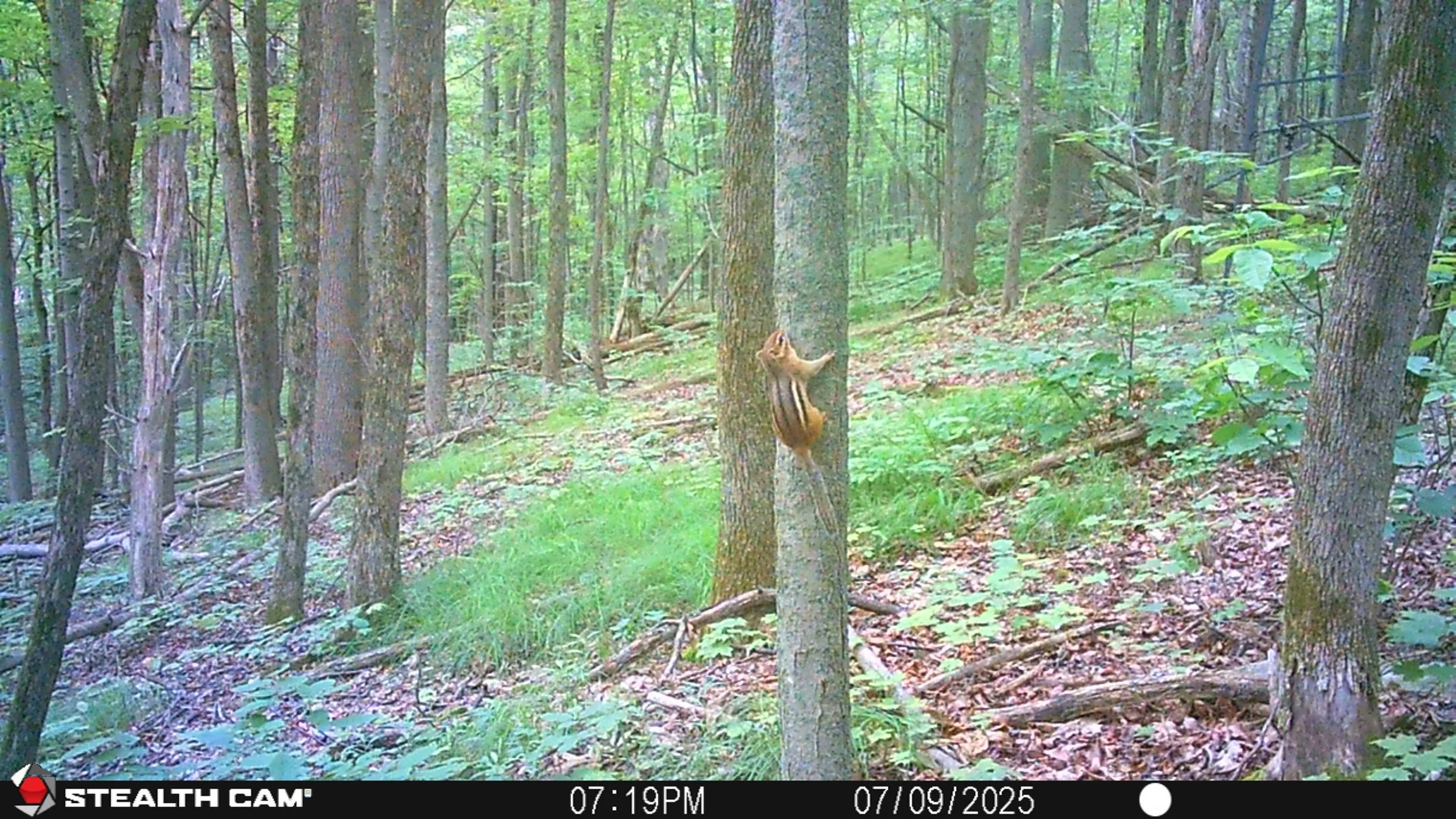
Winter Strategy: True hibernator with periodic arousals. Eastern chipmunks enter a state of hibernation in underground burrows, dramatically slowing their heart rate and metabolism to conserve energy. Unlike some hibernators, they wake every few days to eat stored food caches before returning to dormancy.
Ecological Role: Chipmunks are small rodents in the squirrel family (Sciuridae). They are important seed dispersers, helping to plant trees and shrubs. Their burrows aerate the soil and provide shelter for other small creatures.
Spring Behavior: As soil warms, chipmunks become active, emerging to forage for seeds, nuts, and insects. Males often emerge slightly earlier to establish territories.
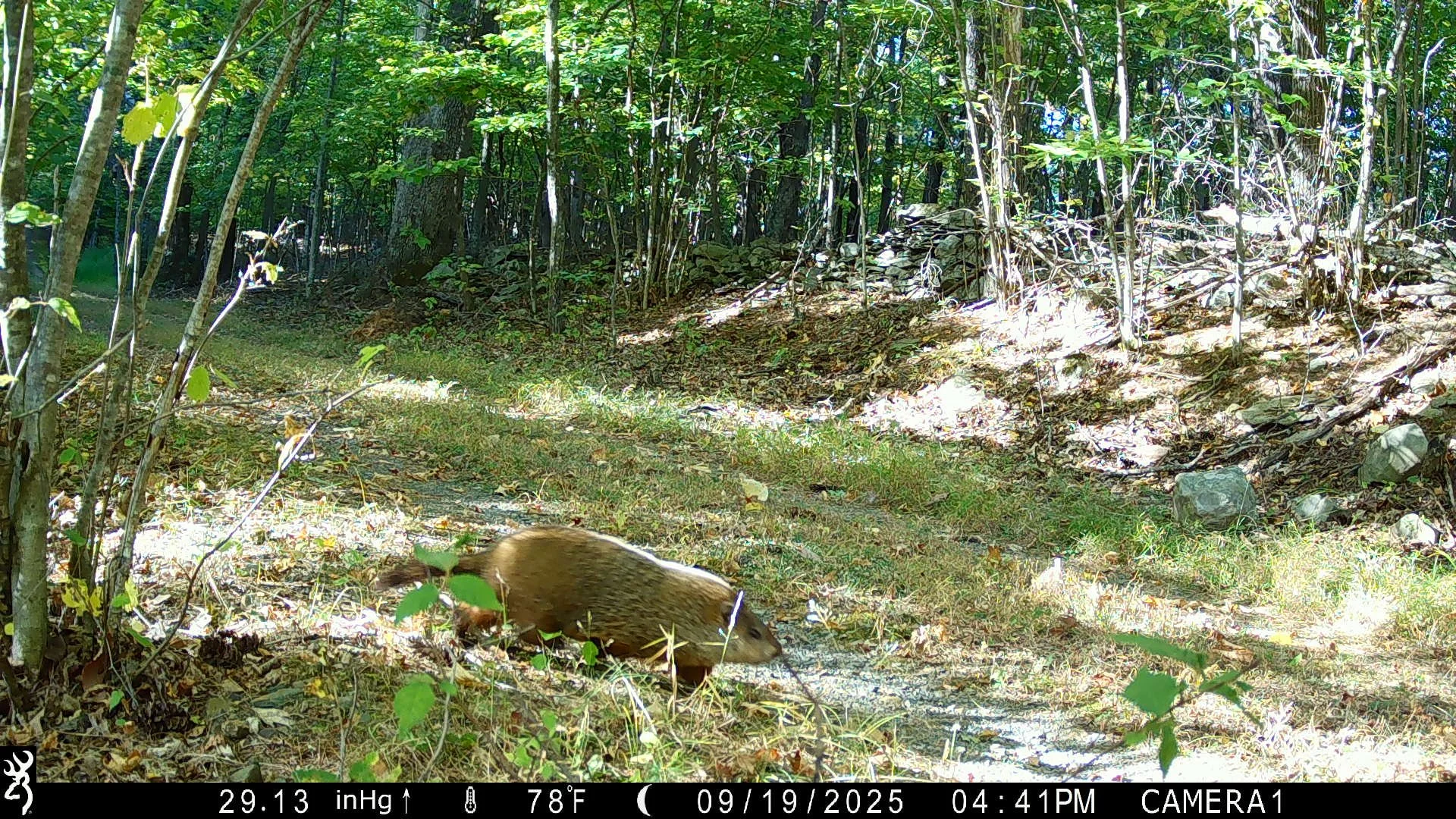
Winter Strategy: Woodchucks enter true hibernation in burrows, significantly lowering body temperature and metabolic rate. They do not eat during this period and rely on fat reserves built up in late summer and fall.
Ecological Role: Woodchucks are the largest member of the squirrel family and are the most wide spread marmot species. They help maintain open habitats through their burrowing and grazing. Their burrows also provide homes for other species like foxes and rabbits.
Spring Behavior: They emerge as early as late February or March, often seen basking in the sun near their burrow entrances to warm up before foraging on fresh vegetation.
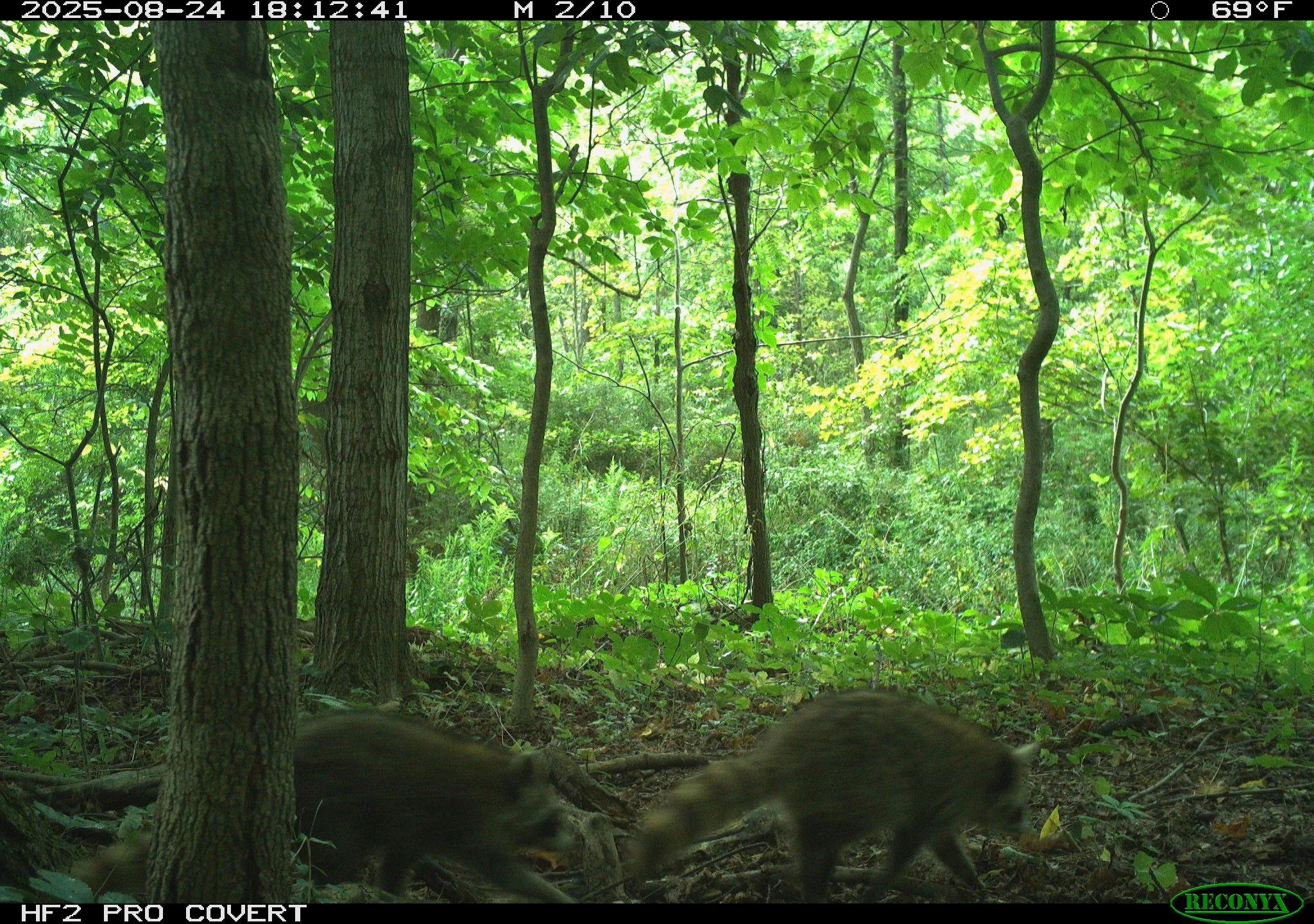
Winter Strategy: Raccoons do not hibernate but enter torpor during very cold spells, reducing activity and metabolism to conserve energy. They may spend several days in a den but wake to forage during milder weather.
Ecological Role: As omnivores, raccoons help control insect and small animal populations and contribute to seed dispersal through their varied diet.
Spring Behavior: Raccoons become more active as temperatures rise, increasing foraging to recover from winter energy deficits and preparing for the breeding season..
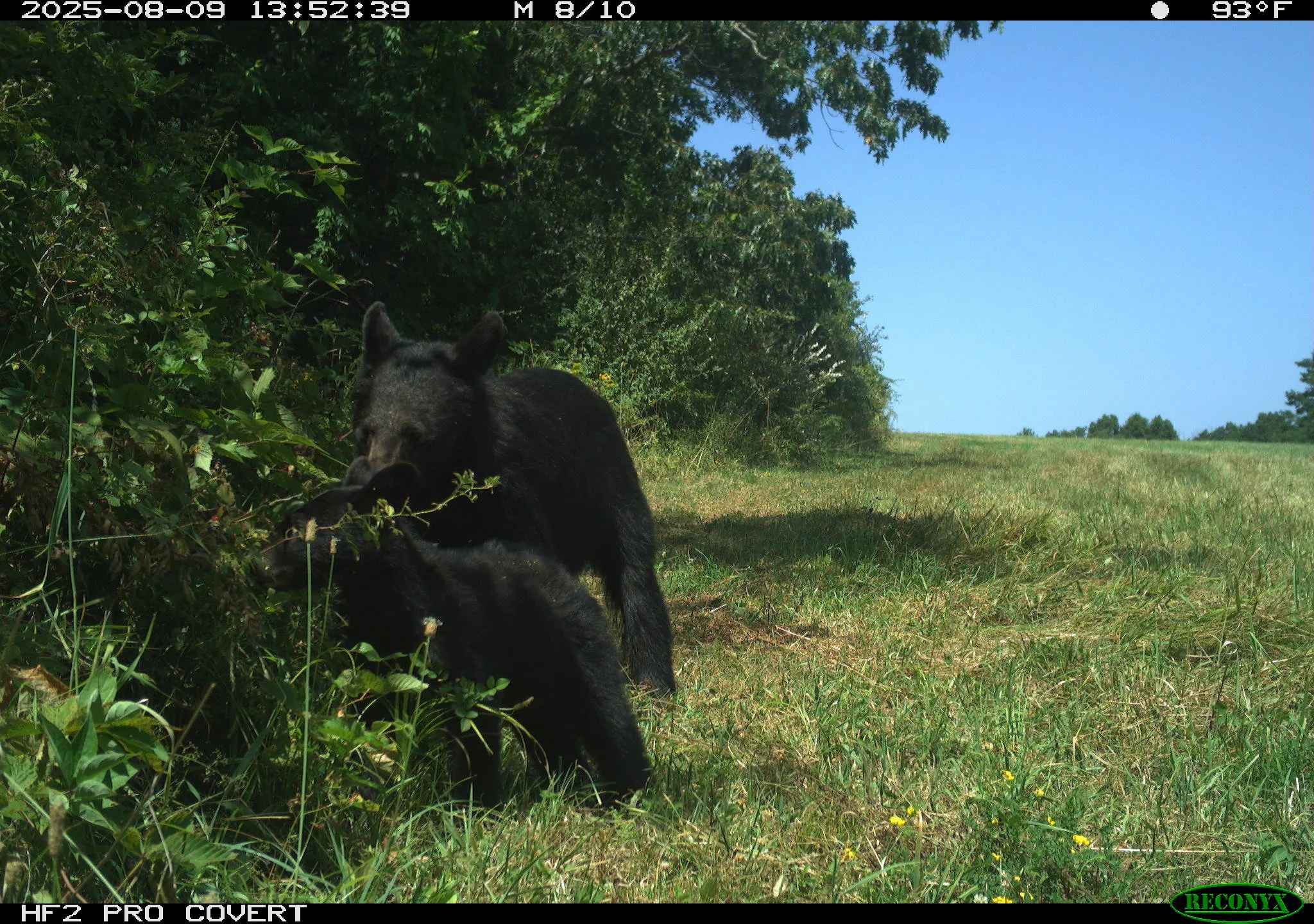
Winter Strategy: Some will say that bears hibernate, some will say they have “winter lethargy” and some will say they enter torpor. Regardless of definition, their body temperature drops slightly, and their metabolism slows, but they can wake easily if disturbed. They do not usually eat, drink, urinate, or defecate during this time, surviving off fat stores.
Ecological Role: Black bears are apex omnivores and seed dispersers. Their foraging helps shape plant communities, and they recycle nutrients through their scat.
Spring Behavior: Bears emerge in spring hungry and ready to eat fresh vegetation, insects, and carrion. Females often give birth during winter torpor and emerge with newborn cubs.
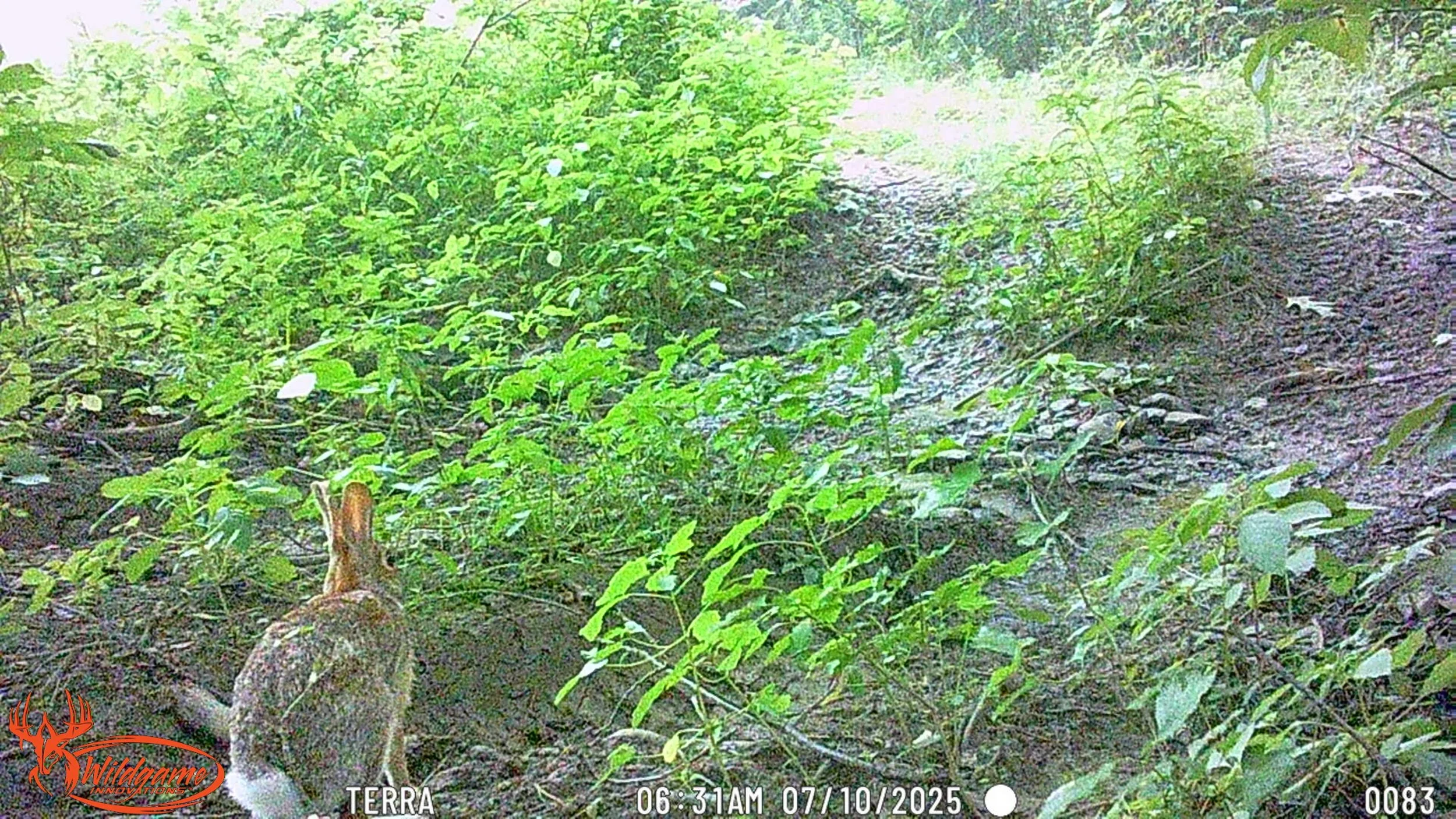
Winter Strategy: Eastern cottontails do not hibernate or enter prolonged torpor but may reduce activity and enter brief torpor-like states during extreme cold to conserve energy. They utilize other stratgeies to stay warm, like increasing the thickness of their fur coats, and seeking shelter in thickets where conditions are milder.
Ecological Role: Rabbits are primary herbivores and a vital food source for many predators. Their grazing influences vegetation structure and diversity.
Spring Behavior: With warming temperatures, cottontails increase feeding on fresh grasses and herbs and begin breeding, leading to rapid population growth in spring and summer.
📸Spring captured by Snapshot NY
Our trail cameras, paired with the enthusiasm of citizen scientists, provide a unique window into this seasonal transition. As the days lengthen and temperatures rise, keep an eye out for these incredible mammals reclaiming their places in New York’s forests, fields, and wetlands. Your participation in Snapshot NY helps us track these changes, deepening our understanding of wildlife patterns and the health of our ecosystems.
Tips for citizen scientists: Spotting and monitoring spring mammals
Look for signs near burrows and dens: Early spring is the perfect time to observe animals like woodchucks and chipmunks near their underground homes. Watch for fresh tracks, scat, or disturbed soil as clues.
Use trail cameras strategically: Place cameras along animal trails, near water sources, or at the edges of forests where mammals are likely to travel. Early morning and dusk are often the most active times.
Be patient and observant: Many mammals emerging from hibernation are cautious and may move slowly. Frequent visits to check cameras and note any changes in activity can reveal fascinating patterns.
Respect wildlife and habitats: Maintain a safe distance, avoid disturbing dens or nests, and follow local regulations to protect both animals and their environments.
Spring is not just a season, it’s the promise of life returning. Through the lens of Snapshot NY, we invite you to witness and celebrate the rhythms of nature while contributing valuable knowledge to the conservation of New York’s mammals!